

Electrical Requirements for a Special Vehicle Garage
As a supplier of Special Vehicle Garages, I understand the critical role that electrical systems play in ensuring the functionality, safety, and efficiency of these specialized facilities. Special vehicle garages are designed to accommodate a wide range of unique vehicles, such as emergency response vehicles, military vehicles, and industrial equipment. Each type of vehicle has its own set of electrical requirements, which must be carefully considered during the design and construction of the garage.
Lighting Systems
One of the most important aspects of a special vehicle garage's electrical system is the lighting. Adequate lighting is essential for safe vehicle movement, maintenance, and inspection. In a special vehicle garage, different areas may require different levels and types of lighting.
For the main vehicle storage and maneuvering areas, high - intensity general lighting is needed. LED lights are a popular choice due to their energy efficiency, long lifespan, and high brightness. They can be installed in a grid pattern on the ceiling to provide uniform illumination. For example, a garage that houses large military trucks may need lights that can reach a minimum illuminance of 500 lux on the floor to ensure clear visibility during vehicle entry and exit.
In addition to general lighting, task - specific lighting is also crucial. Workbenches, inspection pits, and areas where detailed maintenance work is carried out require focused lighting. Adjustable LED spotlights can be installed above workbenches to provide the necessary illumination for tasks such as electrical system repairs or engine diagnostics.
Power Outlets and Receptacles
Special vehicle garages need a sufficient number of power outlets to meet the diverse electrical needs of the vehicles and equipment. Different types of vehicles may have different power requirements. For instance, electric emergency response vehicles need charging stations. These charging stations should be installed in a dedicated area and comply with relevant electrical safety standards.
There are also various tools and equipment used in the garage that rely on electrical power. Air compressors, hydraulic lifts, and diagnostic equipment all need reliable power sources. It is recommended to install a combination of standard 120 - volt and 240 - volt outlets throughout the garage. The outlets should be strategically placed near work areas and vehicle parking spots to ensure easy access.
For larger industrial vehicles, such as those used in construction or mining, high - voltage power outlets may be required. These outlets should be properly labeled and protected by appropriate safety devices, such as circuit breakers and ground - fault circuit interrupters (GFCIs), to prevent electrical hazards.
Ventilation System
The ventilation system in a special vehicle garage is not only important for air quality but also has electrical requirements. The fans and blowers used in the ventilation system need to be powered by electricity. The size and power of the ventilation equipment depend on the size of the garage and the type of vehicles it houses.

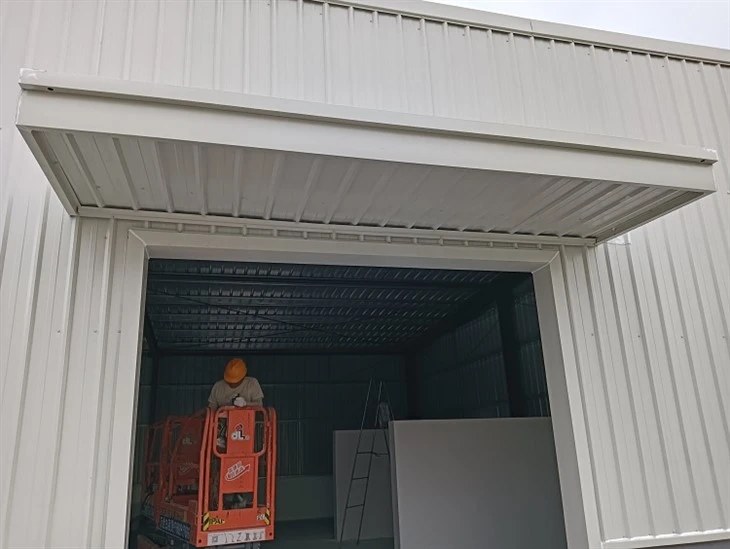
For example, a garage that stores vehicles with diesel engines will produce exhaust fumes containing harmful substances such as nitrogen oxides and particulate matter. A powerful ventilation system is needed to remove these fumes and maintain a safe working environment. The ventilation fans should be designed to provide a sufficient air exchange rate, typically at least 6 - 8 air changes per hour.
The electrical controls for the ventilation system should be reliable and easy to operate. Automatic sensors can be installed to detect the presence of exhaust fumes and activate the ventilation system accordingly. This not only improves energy efficiency but also ensures that the garage environment remains safe at all times.
Fire Alarm and Safety Systems
Electrical fire alarm and safety systems are essential in a special vehicle garage. These systems include smoke detectors, heat detectors, and fire sprinklers. Smoke detectors should be installed throughout the garage, especially in areas where vehicles are stored and in areas with potential fire hazards, such as the fuel storage area.
Heat detectors can be used in areas where high - temperature equipment is located, such as near engines during maintenance. The fire alarm system should be connected to a central monitoring station to ensure prompt response in case of a fire.
Fire sprinklers are another important part of the safety system. They are typically connected to an electrical control panel that can activate the sprinklers in the event of a fire. The electrical wiring for the fire alarm and sprinkler systems should be installed in a separate conduit to prevent damage from other electrical systems or mechanical impacts.
Electrical Safety and Grounding
Safety is of utmost importance in a special vehicle garage. Proper grounding is essential to prevent electrical shocks and protect the electrical equipment. All electrical systems, including lighting, power outlets, and machinery, should be properly grounded.
Grounding electrodes, such as copper rods, should be installed in the ground around the garage to provide a low - resistance path for electrical current in case of a fault. The electrical wiring should also be protected by circuit breakers and fuses to prevent overloading and short circuits.
Regular electrical inspections should be carried out to ensure the safety and reliability of the electrical system. This includes checking the integrity of the wiring, the functionality of safety devices, and the performance of electrical equipment.
Energy Efficiency
In today's context, energy efficiency is a key consideration for any building, including special vehicle garages. By using energy - efficient lighting systems, such as LED lights, and optimizing the operation of ventilation and other electrical equipment, significant energy savings can be achieved.
For example, installing occupancy sensors in areas where lighting is not constantly needed can automatically turn off the lights when no one is present. Variable - speed drives can be used for ventilation fans to adjust the fan speed according to the actual ventilation requirements, reducing energy consumption.
Conclusion
As a supplier of Special Vehicle Garage, I am well - aware of the complex electrical requirements of these facilities. From lighting and power outlets to safety systems and energy efficiency, every aspect of the electrical system must be carefully planned and implemented.
If you are in the market for a special vehicle garage or need to upgrade the electrical system of your existing garage, I invite you to contact us for a detailed consultation. We can provide you with customized solutions that meet your specific needs and ensure the safe and efficient operation of your garage. Whether you are interested in an Equipment Vehicle Garage or a Steel Structure Three - dimensional Garage, we have the expertise and experience to assist you.
References
- National Fire Protection Association (NFPA). NFPA 70: National Electrical Code.
- International Electrotechnical Commission (IEC). IEC 60364: Electrical Installations in Buildings.
- Society of Automotive Engineers (SAE). Standards related to vehicle electrical systems and garage electrical requirements.