

When it comes to constructing sports buildings, steel structures have emerged as a game - changer in the architectural and construction industry. As a supplier of Steel Structure Sports Buildings, I've witnessed firsthand the numerous advantages that these structures offer. In this blog, I'll delve into the key benefits of steel structure sports buildings, which make them an ideal choice for sports facilities around the world.
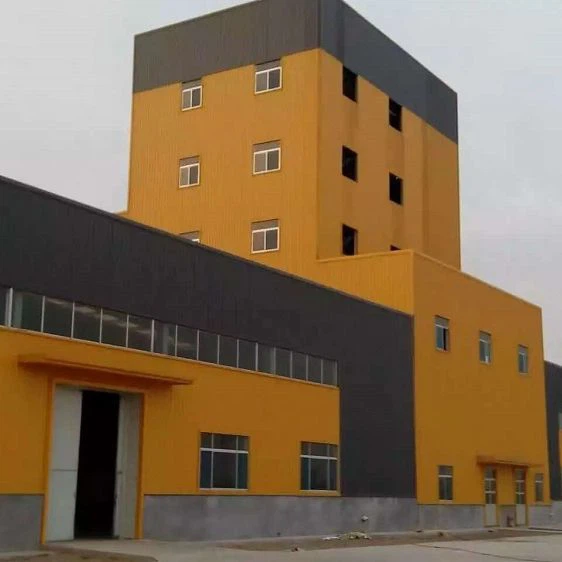

1. Strength and Durability
One of the most prominent advantages of steel structure sports buildings is their exceptional strength. Steel is a material known for its high strength - to - weight ratio. This means that it can support heavy loads while using less material compared to other building materials like concrete. In a sports building, this strength is crucial as it needs to withstand various forces, such as the weight of the roofing, equipment, and the impact of wind and snow.
For instance, large - scale stadiums often have expansive roofs that need to cover a vast area without any interior columns obstructing the view. Steel structures can easily achieve this feat, providing a clear - span space that is perfect for sports events. Moreover, steel is highly resistant to natural disasters such as earthquakes. Its flexibility allows it to bend and sway during seismic activity, reducing the risk of collapse.
Durability is another aspect where steel shines. Steel structures can last for decades with minimal maintenance. They are not susceptible to rot, termites, or other biological threats that can damage wooden structures. This long - term durability makes steel structure sports buildings a cost - effective investment in the long run.
2. Design Flexibility
Steel offers unparalleled design flexibility, which is a significant advantage for sports buildings. Architects can create unique and innovative designs that meet the specific requirements of different sports. Whether it's a modern, futuristic - looking arena or a traditional - style stadium, steel can be molded into various shapes and forms.
The ability to create large, open spaces without the need for internal supports gives designers the freedom to plan the layout of the sports building according to the sport being played. For example, in a basketball arena, a clear - span design allows for unobstructed views from all seats, enhancing the spectator experience. Additionally, steel structures can be easily modified or expanded in the future. If a sports facility needs to add more seating or additional amenities, it can be done relatively quickly and cost - effectively with a steel structure.
3. Speed of Construction
Time is of the essence in the construction industry, and steel structures offer a significant advantage in terms of construction speed. Prefabrication is a key factor in this regard. Most of the steel components for a sports building can be fabricated off - site in a controlled factory environment. This reduces the construction time on - site as the pre - made components can be quickly assembled.
Compared to traditional construction methods that rely on on - site pouring of concrete and bricklaying, steel structure construction can be completed in a fraction of the time. This not only saves money on labor costs but also allows the sports facility to open for business sooner, generating revenue earlier. For example, a steel structure sports building that might take a year to construct using traditional methods could potentially be completed in six months or less with a steel structure.
4. Energy Efficiency
In today's world, energy efficiency is a top priority for any building. Steel structure sports buildings can be designed to be highly energy - efficient. Steel can be insulated effectively, reducing heat transfer through the building envelope. This helps in maintaining a comfortable indoor temperature, whether it's a hot summer day or a cold winter night.
Additionally, steel structures can accommodate the installation of energy - saving technologies such as solar panels. The large, flat rooftops of many sports buildings provide an ideal surface for solar panel installation, which can generate renewable energy and reduce the building's reliance on the grid. This not only helps the environment but also lowers the operating costs of the sports facility.
5. Cost - Effectiveness
While the initial cost of a steel structure sports building might be comparable to or slightly higher than some traditional construction methods, the long - term cost - effectiveness is undeniable. As mentioned earlier, the durability of steel reduces the need for frequent repairs and replacements. The speed of construction also saves on labor costs and allows for earlier revenue generation.
Moreover, the energy - efficiency of steel structures leads to lower utility bills over time. When all these factors are considered, a steel structure sports building can be a more economical choice in the long run.
6. Sustainability
Sustainability is becoming increasingly important in the construction industry, and steel is a sustainable material. Steel is 100% recyclable, which means that at the end of its life cycle, the steel from a sports building can be recycled and used to make new products. This reduces the demand for virgin materials and minimizes the environmental impact of construction.
In addition, the energy - efficient features of steel structure sports buildings contribute to a lower carbon footprint. By reducing energy consumption and using renewable energy sources, these buildings are more environmentally friendly compared to traditional structures.
7. Lightweight Nature
The lightweight nature of steel is an advantage in several ways. First, it reduces the load on the foundation of the sports building. This means that a less extensive and less expensive foundation can be used, saving on construction costs. Second, the lightweight steel components are easier to transport, which reduces transportation costs and the associated carbon emissions.
Related Steel Structures
If you're interested in other types of steel structures, we also offer a variety of options. For example, our Prefabricated Steel Structure Shed is a great choice for storage or small - scale industrial use. The Steel Structure Airport Building showcases the versatility of steel in large - scale, high - profile projects. And for those looking for high - rise solutions, our High Rise Steel Structure Buildings offer a combination of strength and modern design.
Conclusion
In conclusion, steel structure sports buildings offer a wide range of advantages, from strength and durability to design flexibility, speed of construction, energy efficiency, cost - effectiveness, sustainability, and lightweight nature. These benefits make them an ideal choice for sports facilities of all sizes and types.
If you're considering building a sports facility, I encourage you to explore the possibilities of a steel structure. Our team of experts is ready to assist you in every step of the process, from design to construction. Contact us to start a procurement discussion and bring your dream sports building to life.
References
- "Steel Construction Manual", American Institute of Steel Construction.
- "Design of Steel Structures", S.K. Duggal.
- "Sustainable Steel Construction", World Steel Association.