

As a supplier of Steel Structure Sports Buildings, I understand the critical importance of preventing deformation in these structures. Steel structure sports buildings are known for their durability, flexibility, and cost - effectiveness. However, deformation can pose significant risks to the safety and functionality of these buildings. In this blog, I will share some effective strategies to prevent the deformation of steel structure sports buildings.
Understanding the Causes of Deformation
Before we can discuss prevention methods, it's essential to understand the root causes of deformation in steel structure sports buildings. There are several factors that can contribute to this issue:
- External Loads: Sports buildings are often subjected to heavy external loads, such as the weight of equipment, the force of wind, and the impact of snow. If these loads exceed the design capacity of the steel structure, deformation can occur.
- Temperature Changes: Steel expands and contracts with temperature changes. Extreme temperature variations can cause stress in the structure, leading to deformation over time.
- Corrosion: Corrosion weakens the steel, reducing its strength and load - bearing capacity. This can result in deformation, especially in areas where the steel is exposed to moisture or chemicals.
- Poor Design and Installation: Inadequate design or improper installation can lead to structural weaknesses. For example, incorrect welding, improper connection details, or insufficient bracing can all contribute to deformation.
Strategies for Preventing Deformation
1. Proper Design
- Accurate Load Calculation: The first step in preventing deformation is to accurately calculate the loads that the steel structure will be subjected to. This includes dead loads (the weight of the structure itself), live loads (people, equipment), wind loads, and snow loads. By ensuring that the structure is designed to withstand these loads, we can minimize the risk of deformation.
- Use of Appropriate Steel Grades: Different steel grades have different mechanical properties. Selecting the right steel grade for the specific application is crucial. For sports buildings, high - strength steel may be required to handle the heavy loads. Our company offers a variety of steel grades to meet the diverse needs of our customers.
- Optimized Structural Configuration: The design of the structure should be optimized to distribute loads evenly. This may involve using a combination of columns, beams, and trusses in a way that minimizes stress concentrations. For instance, a well - designed truss system can efficiently transfer loads from the roof to the foundation.
2. Quality Materials
- High - Quality Steel: We only source steel from reputable suppliers. High - quality steel has consistent mechanical properties and is less prone to defects. This ensures that the structure has the strength and durability required to resist deformation.
- Anti - Corrosion Coatings: Applying anti - corrosion coatings to the steel is an effective way to protect it from rust and corrosion. These coatings act as a barrier between the steel and the environment, preventing moisture and chemicals from coming into contact with the steel. Our steel structures can be coated with various types of anti - corrosion materials, such as epoxy coatings or zinc coatings.
3. Precise Installation
- Professional Installation Team: Our installation team consists of highly skilled and experienced professionals. They are trained to follow strict installation procedures to ensure that the structure is assembled correctly. This includes proper welding, accurate alignment of components, and secure connections.
- Regular Inspections During Installation: Regular inspections during the installation process can help identify and correct any potential issues before they become major problems. Our quality control team conducts thorough inspections at each stage of the installation to ensure that the structure meets the highest standards.
4. Maintenance and Monitoring
- Regular Inspections: Once the steel structure sports building is in use, regular inspections are essential. These inspections should be carried out by qualified engineers or technicians. They can check for signs of corrosion, damage, or deformation. Early detection of problems allows for timely repairs, preventing further damage.
- Corrosion Prevention and Repair: As mentioned earlier, corrosion is a major cause of deformation. Regularly checking and maintaining the anti - corrosion coatings can prevent corrosion from occurring. If corrosion is detected, it should be repaired immediately. This may involve removing the corroded area and applying a new coating.
- Monitoring Systems: Installing monitoring systems can provide real - time data on the structural performance of the building. For example, strain gauges can measure the stress in the steel members, and displacement sensors can detect any movement or deformation. This data can be used to predict potential problems and take preventive measures.
The Role of Our Products in Preventing Deformation
Our company offers a range of products that are designed to prevent deformation in steel structure sports buildings.
- Prefabricated Steel Structure Frame: Our prefabricated steel structure frames are pre - engineered to meet the specific requirements of sports buildings. They are made from high - quality steel and are designed to be easy to install. The precise manufacturing process ensures that the frames have the necessary strength and stiffness to resist deformation.
- High Rise Steel Structure Buildings: For larger sports complexes or multi - level sports facilities, our high - rise steel structure buildings are an excellent choice. These buildings are designed with advanced engineering techniques to handle the increased loads and stresses associated with taller structures. They are also equipped with effective bracing systems to prevent lateral deformation.
- Light Steel Frame Steel Structure Farm: In some cases, a light steel frame structure may be suitable for smaller sports buildings or training facilities. Our light steel frame steel structure farms are lightweight yet strong. They are resistant to corrosion and can be easily customized to meet the specific needs of the project.
Conclusion
Preventing the deformation of steel structure sports buildings is a multi - faceted process that requires proper design, high - quality materials, precise installation, and regular maintenance. As a supplier, we are committed to providing our customers with the best products and services to ensure the long - term integrity of their steel structure sports buildings.

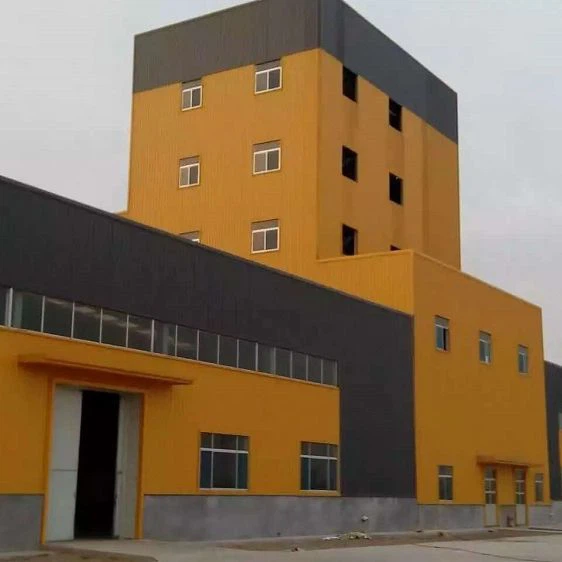
If you are interested in purchasing a steel structure sports building or have any questions about preventing deformation, please feel free to contact us for a detailed discussion. We look forward to working with you to create a safe and durable sports building.
References
- "Steel Structures: Design and Behavior" by McCormac, Jack C.
- "Structural Steel Design" by Segui, William T.
- Industry standards and guidelines for steel structure design and construction.