

Can an aircraft hangar be built near a residential area? This is a question that often sparks intense debate among residents, local authorities, and industry stakeholders. As a supplier of aircraft hangars, I have witnessed firsthand the various perspectives and concerns surrounding this issue. In this blog post, I will delve into the scientific, environmental, and social factors to provide a comprehensive analysis of whether building an aircraft hangar near a residential area is feasible.
Scientific and Technical Considerations
From a scientific standpoint, the construction of an aircraft hangar near a residential area must adhere to strict safety and environmental standards. Aircraft hangars are designed to house and maintain aircraft, which means they need to be built with robust materials and engineering to withstand the weight and movement of large aircraft. The hangar structure must also be able to resist natural disasters such as earthquakes, hurricanes, and heavy snow loads.
One of the primary concerns when building an aircraft hangar near a residential area is noise pollution. Aircraft engines can generate significant noise during takeoff, landing, and maintenance operations. This noise can have a detrimental impact on the health and well - being of nearby residents, leading to sleep disturbances, stress, and even hearing loss over time. To mitigate this issue, modern aircraft hangars are designed with advanced sound - insulation materials. These materials can reduce the transmission of noise from the hangar to the surrounding environment. Additionally, flight schedules can be carefully planned to minimize disruptions during quiet hours.
Another important consideration is the risk of fire. Aircraft hangars store fuel, lubricants, and other flammable materials, which pose a fire hazard. Stringent fire safety regulations must be followed to ensure the safety of both the hangar occupants and nearby residents. This includes installing fire - suppression systems, clear evacuation routes, and regular fire drills.
Environmental Impact
The construction and operation of an aircraft hangar can have various environmental impacts. During the construction phase, there is the potential for soil erosion, water pollution, and habitat destruction. Proper construction management practices, such as silt fencing and stormwater management systems, can be implemented to minimize these impacts.
In terms of long - term environmental effects, the operation of an aircraft hangar can contribute to air pollution. Aircraft engines emit pollutants such as carbon monoxide, nitrogen oxides, and particulate matter. However, with the development of more fuel - efficient and environmentally friendly aircraft, as well as the implementation of emission control technologies, the air pollution from aircraft operations can be reduced.
On the other hand, an aircraft hangar can also have some positive environmental aspects. For example, if the hangar is used to maintain and retrofit aircraft to be more fuel - efficient, it can contribute to a reduction in overall greenhouse gas emissions.
Social and Community Considerations
The social impact of building an aircraft hangar near a residential area cannot be overlooked. Some residents may be concerned about the aesthetics of the hangar, as large industrial buildings can be visually intrusive. The increased traffic associated with the hangar, including trucks and aircraft support vehicles, can also cause congestion on local roads.
However, there are also potential economic benefits for the local community. The construction of the hangar can create jobs during the building phase, and its operation can lead to long - term employment opportunities. Additionally, the presence of an aircraft hangar can attract other aviation - related businesses, such as flight schools and maintenance providers, which can boost the local economy.
Examples of Similar Structures
When considering the feasibility of building an aircraft hangar near a residential area, it can be helpful to look at similar structures. For instance, a Special Vehicle Garage is designed to house specialized vehicles. Similar to an aircraft hangar, it requires careful planning to ensure safety and minimize environmental and social impacts.

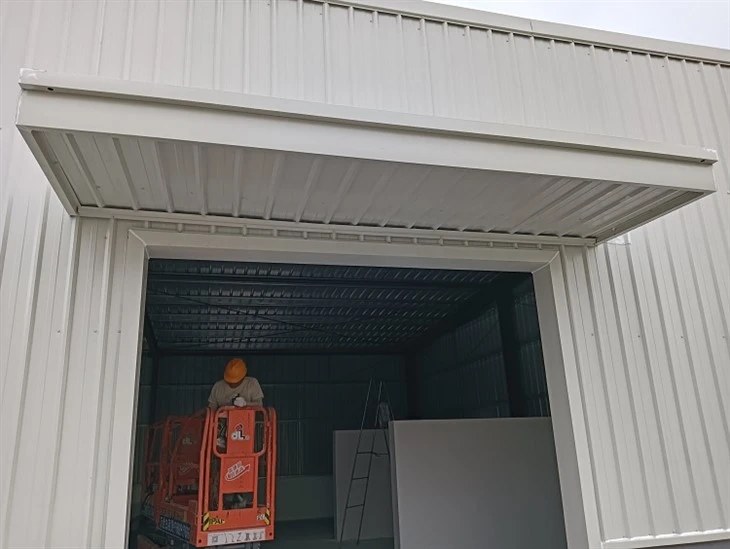
A Large Prefabricated Steel Structure Workshop is another example. These workshops are often used for industrial purposes, much like an aircraft hangar. The construction and operation of such workshops also involve considerations such as noise control, fire safety, and traffic management.
A Steel Structure Three - dimensional Garage is a structure that shares some similarities with an aircraft hangar in terms of its structural requirements and the need for proper planning. It is important to learn from the experiences of these similar structures to ensure the successful construction and operation of an aircraft hangar near a residential area.
Conclusion
In conclusion, while there are significant challenges and concerns associated with building an aircraft hangar near a residential area, it is not impossible. By carefully addressing the scientific, environmental, and social factors, it is possible to build an aircraft hangar that meets all safety and regulatory requirements while minimizing negative impacts on the surrounding community.
If you are considering the construction of an aircraft hangar, whether near a residential area or in another location, I encourage you to reach out for a detailed discussion. Our team of experts can provide you with customized solutions based on your specific needs and the local conditions. We are committed to providing high - quality aircraft hangars that are both safe and environmentally friendly.
References
- Federal Aviation Administration (FAA). Regulations on aircraft hangar construction and safety.
- World Health Organization (WHO). Guidelines on noise pollution and its impact on human health.
- Environmental Protection Agency (EPA). Regulations on air and water pollution from industrial facilities.