

In recent years, the global push towards environmental sustainability has influenced various industries, including the construction sector. As a supplier of Steel Structure Sports Buildings, I often encounter questions regarding the environmental friendliness of these structures. This blog aims to delve into this topic, exploring the aspects that contribute to or detract from the environmental credentials of steel structure sports buildings.
1. Raw Material Extraction and Production
Steel is one of the most widely used materials in construction, and its production process has a significant impact on the environment. The primary raw material for steel, iron ore, is mined from the earth. Mining operations can lead to habitat destruction, soil erosion, and water pollution. However, the steel industry has made substantial progress in reducing its environmental footprint over the years.
Modern steel production methods are more energy - efficient than ever before. The basic oxygen furnace (BOF) and electric arc furnace (EAF) are the two main methods of steelmaking. The EAF process, in particular, uses recycled steel as a major input. Recycling steel reduces the need for virgin iron ore extraction, conserving natural resources. According to the World Steel Association, recycling steel saves up to 75% of the energy required to produce new steel from iron ore. This means that when we use recycled steel in our Steel Structure Sports Buildings, we are making a positive contribution to energy conservation.
2. Design and Construction Efficiency
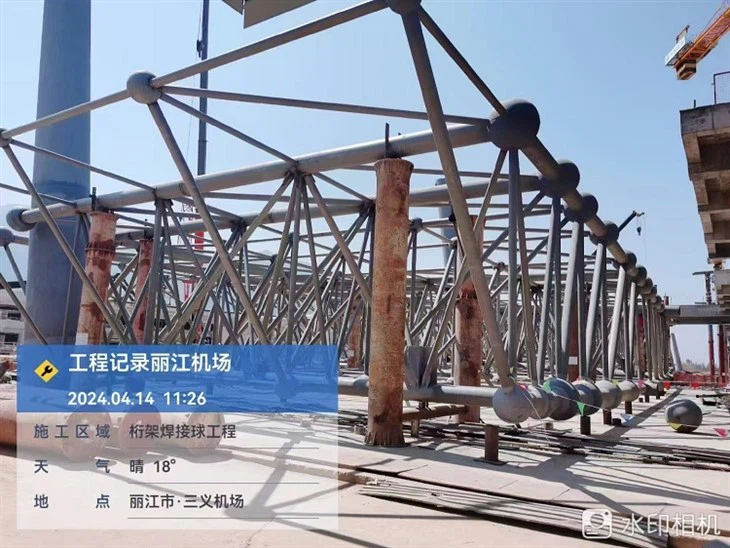
Steel structure sports buildings offer several advantages in terms of design and construction efficiency, which can have positive environmental implications. Steel is a highly versatile material that allows for innovative and efficient designs. Architects can create large - span structures with minimal columns, providing more open and flexible spaces for sports activities. This flexibility in design can lead to more efficient use of space, reducing the overall footprint of the building.
In terms of construction, steel structures can be prefabricated off - site. Prefabrication reduces construction time on the building site, which in turn minimizes disruptions to the surrounding environment. It also reduces waste generation at the construction site because the components are manufactured in a controlled factory environment where waste can be more easily managed and recycled. For example, excess steel pieces can be reused or sent back to the recycling process.
3. Durability and Longevity
One of the key environmental benefits of steel structure sports buildings is their durability. Steel is a strong and resilient material that can withstand harsh weather conditions, seismic activity, and other external forces. A well - designed and maintained steel structure can have a lifespan of several decades, if not longer. This longevity means that the building does not need to be demolished and rebuilt as frequently as other types of structures, reducing the demand for new construction materials and the associated environmental impacts.
Moreover, steel structures can be easily modified and expanded. As the needs of a sports facility change over time, the steel structure can be adapted without significant disruption. This adaptability extends the useful life of the building and further reduces the environmental impact associated with new construction.

4. Energy Efficiency
Energy efficiency is a crucial aspect of environmental friendliness in buildings. Steel structure sports buildings can be designed to be highly energy - efficient. For example, steel frames can support advanced insulation systems that reduce heat transfer between the interior and exterior of the building. This helps to maintain a comfortable indoor temperature, reducing the need for excessive heating or cooling.
In addition, steel structures can be integrated with renewable energy systems such as solar panels. The flat or sloped roofs of steel sports buildings provide an ideal platform for solar panel installation. By generating renewable energy on - site, the building can reduce its reliance on grid - supplied electricity, which is often generated from non - renewable sources.
5. End - of - Life Considerations
When a steel structure sports building reaches the end of its useful life, steel is 100% recyclable. Unlike many other building materials, steel does not lose its quality or strength during the recycling process. It can be melted down and used to produce new steel products, including new sports buildings. This recyclability means that steel has a closed - loop life cycle, which is highly beneficial for the environment.
Counter - Arguments and Challenges
While steel structure sports buildings have many environmental advantages, there are also some challenges and counter - arguments. One of the main concerns is the initial carbon footprint associated with steel production. Although the steel industry has improved its energy efficiency, steel production still emits a significant amount of carbon dioxide. However, as mentioned earlier, using recycled steel can significantly reduce this carbon footprint.
Another challenge is the potential for corrosion in steel structures. If not properly protected, steel can rust, which not only weakens the structure but also requires additional maintenance and resources to repair. However, modern anti - corrosion coatings and proper maintenance practices can effectively prevent corrosion and extend the lifespan of the steel structure.
Conclusion
In conclusion, steel structure sports buildings can be considered environmentally friendly when taking into account various factors such as raw material recycling, design and construction efficiency, durability, energy efficiency, and end - of - life recyclability. As a supplier of [Steel Structure Sports Buildings], we are committed to promoting sustainable construction practices. We source high - quality recycled steel whenever possible and work with architects and contractors to design energy - efficient and long - lasting sports facilities.
If you are interested in our [Steel Structure Sports Buildings] or have any questions about their environmental performance, we invite you to [initiate a contact for procurement discussions]. Our team of experts is ready to assist you in finding the best solution for your sports facility needs.
References
- World Steel Association. (Year). Steel Recycling Facts.
- American Institute of Steel Construction. (Year). Environmental Benefits of Steel Construction.
- International Energy Agency. (Year). Energy Efficiency in the Steel Industry.